A Short History of Medical Transcription
Medical transcription has been pronounced dead roughly once a decade since the 1980s. Each time, what actually happened was that the work changed shape and moved.
Before recording: stenography and the typing pool
Clinical documentation began as dictation to a person. Physicians dictated to medical stenographers who took shorthand and typed it up, and hospitals maintained typing pools attached to the medical records department. The stenographer was expected to know the vocabulary, which is why medical stenography was a distinct and respected occupation rather than a general secretarial one.
The essential division of labour established then has never changed: the clinician supplies the clinical content, someone else supplies the document, and a third step checks it.
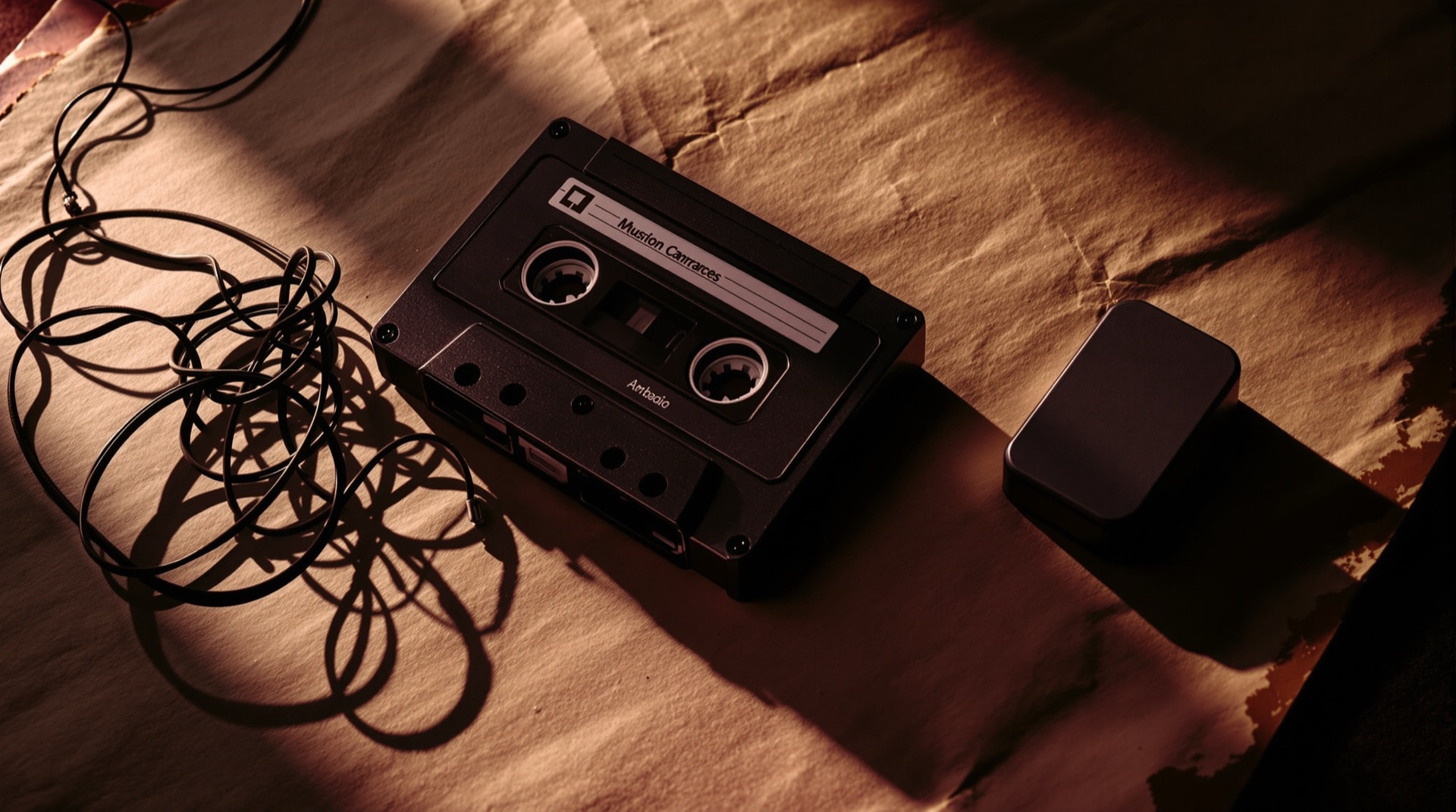
The analogue era: cassettes and the transcription pool
Magnetic tape decoupled dictation from transcription in time and space. A clinician could dictate at any hour into a desktop or portable recorder, and the tape went to a transcriptionist later. Foot-pedal playback control — still the ergonomic standard — dates from this period, as does the specialised transcription workstation.
This era also created the profession as it is still recognised: a skilled listener with deep medical vocabulary, working from audio at speed and applying editorial judgement about structure, abbreviations and obvious dictation errors. Central dictation systems, in which telephone handsets fed a bank of recorders in the records department, arrived in larger hospitals and were the direct ancestor of toll-free telephone dictation.
Digital capture and remote work
Digitisation through the 1990s replaced tape with files. Two consequences followed quickly, and both were more social than technical.
The first was remote work. Once audio was a file, the transcriptionist no longer had to be in the building, and the profession became one of the earliest large-scale work-from-home occupations in healthcare — a shift that arrived decades before it was general, and that brought with it an entirely new set of confidentiality questions.
The second was outsourcing. Once the work could be done anywhere, it could be bought from anyone, and the independent transcription service industry expanded rapidly. The about page explains the scope and independence of this reference.
Offshore expansion
Through the 2000s a substantial share of United States transcription volume moved offshore, chiefly to countries with large English-speaking graduate workforces. The economics were compelling and the model matured fast, with dedicated training programmes producing transcriptionists for the American market specifically.
It also produced the first sustained public argument about transcription and privacy, and the questions raised then remain the right ones: where is the work performed, by whom, under what contractual chain, and what happens if something goes wrong at a distance from the jurisdiction that governs the record. The 2013 Omnibus Rule, which made Business Associates and their subcontractors directly liable, tightened that chain considerably.
Speech recognition and the shift to editing
Back-end speech recognition — audio passed through an engine, with a person editing the draft — became viable at production quality during the 2000s and dominant during the 2010s. It roughly doubled what an experienced operator could produce in an hour, and per-unit prices fell accordingly.
The occupational consequence was a change of job title and of skill. The Association for Healthcare Documentation Integrity promoted "healthcare documentation specialist" over "medical transcriptionist" to reflect a role that is now principally editorial: judging whether a fluent draft says what the clinician said. As the quality page sets out, that is a harder review task than correcting obvious typing errors, and quality regimes had to change to catch a different class of error.
Front-end recognition, where the clinician edits their own draft in real time, spread in parallel — quickly in radiology and pathology, more slowly and less successfully in narrative specialties.
The electronic record and the return of clerical work
Meaningful use incentives drove electronic health record adoption across the United States through the 2010s, and structured data entry displaced narrative documentation in many services. Where it fitted, it was an improvement. Where it did not, it converted highly paid clinical time into clerical time, and the documentation-burden literature that followed is one of the better-evidenced findings in health services research of the period.
The responses — scribes, template redesign, and the partial reinstatement of transcription in narrative services — are covered on the usage page.
Ambient documentation
The current phase extends recognition from dictation to the encounter itself: capturing the clinician–patient conversation and drafting a note from it. The underlying documentation problem is unchanged, and so are the controls that matter. Someone must verify the draft against what was actually said. Someone must be accountable for the finished record. The information is protected health information from the moment it is captured, and consent and recording questions arrive earlier and are sharper than in dictation, because the patient's voice is in the audio.
The consistent lesson of the whole history is that the technology changes which step a person performs, and never removes the requirement that a person performs one.
See also the careers and certification page and the resources page.